
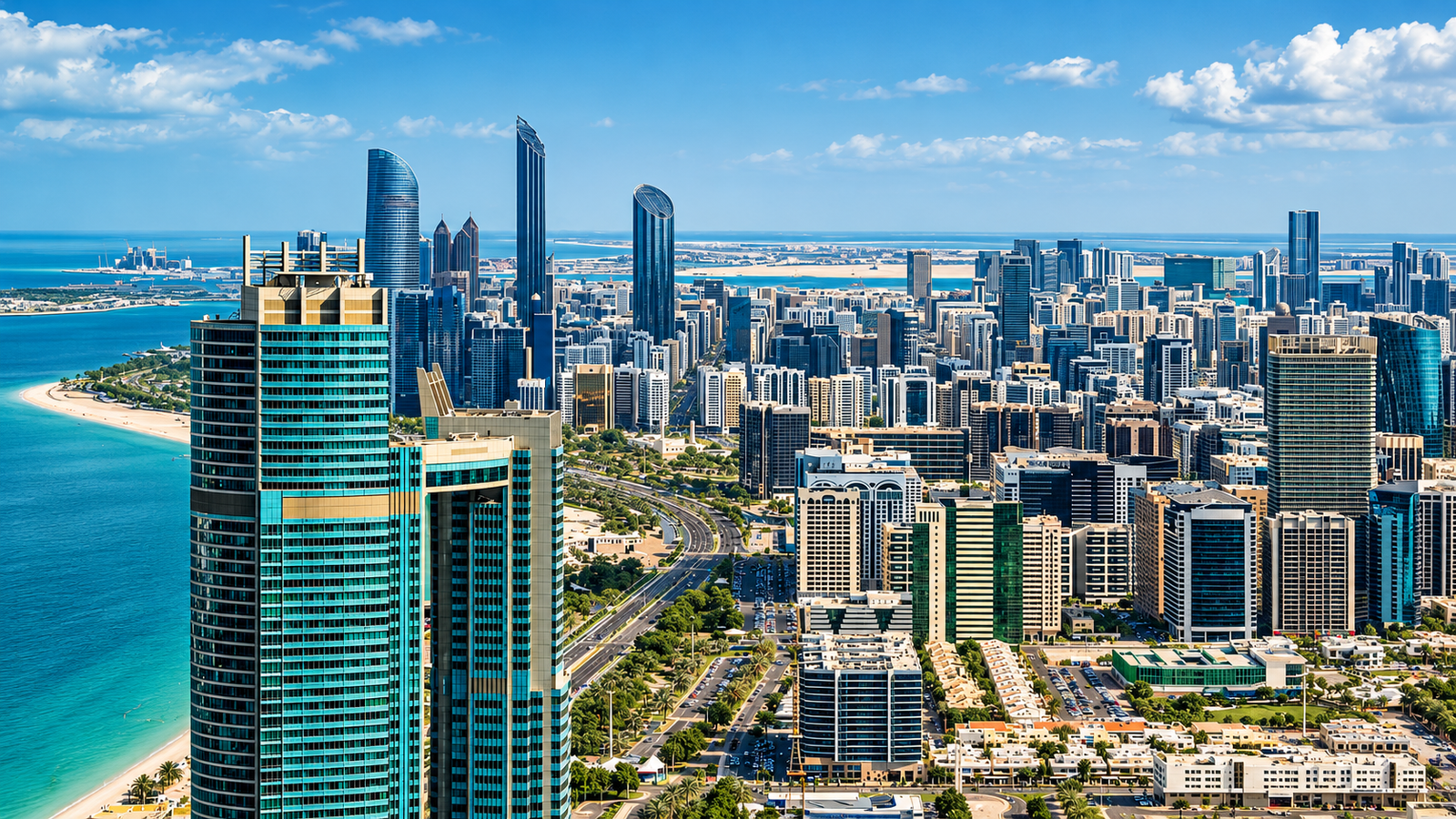
Abu Dhabi is strengthening its position as a long-term investment destination through economic diversification, infrastructure development, advanced urban planning and improved quality of life.
The emirate’s strategy extends beyond attracting capital. It focuses on creating an integrated environment where investors, businesses and residents benefit from efficient government services, modern infrastructure and well-connected communities.
For real estate investors, this approach is particularly significant. Economic growth, international investment, transport connectivity and community development can influence property demand and long-term market attractiveness.
With real estate foreign direct investment reaching AED 17.22 billion during the first nine months of 2026, Abu Dhabi continues to attract international investors.
Economic Diversification Strengthens Investor Confidence
Abu Dhabi’s non-oil economy now accounts for more than half of the emirate’s gross domestic product (GDP), reflecting its continued economic diversification.
During the first quarter of 2026, new economic licences increased by 21% year-on-year, while active economic licences increased by 12%.
An expanding business environment can support employment opportunities, commercial activity and residential demand. For property investors, this provides a broader economic foundation beyond the real estate sector itself.
Buyers looking to enter the market can explore properties for sale in Abu Dhabi across established and emerging residential destinations.
Abu Dhabi Real Estate Attracts Growing International Investment
Abu Dhabi’s real estate sector recorded significant foreign investment activity in 2026.
During the first half of the year, real estate foreign direct investment reached AED 13.8 billion, representing an increase of 309% and exceeding the amount recorded throughout 2025.
The emirate also attracted non-resident property investors representing 116 nationalities during this period.
By the end of the first nine months of 2026, real estate foreign direct investment reached AED 17.22 billion, while total property transactions reached AED 171.26 billion, reflecting year-on-year transaction value growth of 76.1%.
These figures highlight the increasing international participation in Abu Dhabi’s property market. However, investors should continue to evaluate individual opportunities based on location, pricing, rental demand, future supply and long-term objectives.
AED 42 Billion Liveability Strategy Supports Urban Development
Abu Dhabi is placing quality of life at the centre of its urban development strategy.
During the first phase of the Department of Municipalities and Transport’s Liveability Strategy, more than 60 major projects valued at over AED 12 billion were completed as part of a broader approved programme worth AED 42 billion.
The emirate’s District Completion Index also increased from 67% to 84% over two years.
These developments reflect Abu Dhabi’s efforts to create more complete and functional urban districts through infrastructure, public spaces and community facilities.
For residential property buyers, the quality of the surrounding neighbourhood can be as important as the property itself. Accessibility, public amenities, landscaping and everyday convenience are important considerations when selecting a home.
Building Communities Around Long-Term Liveability
In 2026, the Department of Municipalities and Transport introduced its Livability by Design Framework, applying to new and updated masterplans designed for populations exceeding 2,000 people.
The framework incorporates principles such as walkability, accessibility, transport connectivity and integrated community planning.
This approach places greater emphasis on how residential communities function in everyday life rather than focusing solely on individual buildings.
For families and property buyers, these planning considerations can help create more convenient and accessible neighbourhoods. For investors, they provide additional criteria when assessing the long-term attractiveness of a development.
Faster Planning Approvals Improve Development Efficiency
Abu Dhabi is also improving the efficiency of its planning and construction approval processes.
During the first half of 2026, the Department of Municipalities and Transport approved 43.6 million square metres of floor area, representing a 40% increase.
The master-developer approval cycle was shortened by 60 days, while the Binaa digital platform reduced building-permit processing times by approximately 70%.
These improvements can help developers navigate administrative procedures more efficiently and provide greater clarity during project planning.
However, faster regulatory approvals do not necessarily guarantee earlier project completion, as construction schedules depend on several additional factors.
Smart Technology Is Shaping Abu Dhabi’s Urban Future
Abu Dhabi is increasingly incorporating artificial intelligence and data-driven technology into its urban planning processes.
The Department of Municipalities and Transport’s smart urban planning platform integrates information from more than 70 data sources across over 15 interconnected systems.
Digital city modelling also supports the monitoring of quality-of-life indicators and predictive urban planning.
These technologies help inform decisions relating to infrastructure requirements, accessibility, mobility and future community needs.
As Abu Dhabi continues to develop new residential and commercial destinations, data-driven planning can help authorities better understand the requirements of a growing city.
Digital Services Create More Accessible Investment Opportunities
Abu Dhabi’s Government Assets Investment Service, available through the TAMM platform, provides investors with access to opportunities involving government land and assets.
The service allows investors to explore available opportunities, access geospatial information about surrounding infrastructure and submit applications digitally.
Artificial intelligence is also used to help match investors with relevant opportunities.
The initiative forms part of Abu Dhabi’s wider efforts to simplify investment procedures and improve access to information through digital government services.
AED 55 Billion Infrastructure Investment Pipeline
Abu Dhabi is expanding private-sector participation in infrastructure development through a public-private partnership pipeline valued at AED 55 billion.
Introduced by the Abu Dhabi Investment Office and the Abu Dhabi Projects and Infrastructure Centre, the programme includes 24 projects across transport, infrastructure and social sectors scheduled to be brought to market during 2026 and 2027.
These are planned investment opportunities rather than completed infrastructure projects.
Over the longer term, infrastructure improvements may influence property demand by enhancing accessibility, connectivity and the availability of community services.
Investors evaluating off-plan properties in Abu Dhabi should consider both existing infrastructure and confirmed future development plans when comparing locations.
LIVEX 2026 Highlights Abu Dhabi’s Investment Vision
The Liveability and Investment Exhibition (LIVEX 2026), organised by the Department of Municipalities and Transport in September 2026, brought together government entities, developers, investors and technology partners.
The exhibition concluded with more than 50 agreements and initiatives valued at over AED 150 billion.
The event highlighted Abu Dhabi’s approach to integrating investment, infrastructure, technology and quality of life within its broader urban development strategy.
It also demonstrated the importance of collaboration between government organisations and private-sector partners in shaping the emirate’s future development.
What Does This Mean for Abu Dhabi Real Estate Investors?
Abu Dhabi’s economic expansion, increasing international property investment, infrastructure programmes and advanced planning initiatives are important factors when assessing the emirate’s long-term real estate outlook.
Rather than evaluating properties solely on purchase price or projected returns, investors should consider the wider characteristics of each location.
Important factors include:
- Existing and planned infrastructure
- Accessibility to employment and commercial centres
- Community amenities and public facilities
- Developer reputation and delivery record
- Current and future property supply
- Rental demand and service charges
- Property pricing and resale potential
- Long-term community development plans
Established and emerging communities across Abu Dhabi offer different investment and lifestyle propositions. Understanding these differences is essential when selecting a property aligned with individual objectives.
Abu Dhabi’s Long-Term Real Estate Outlook
Abu Dhabi’s investment strategy in 2026 reflects a broader approach to sustainable urban and economic development.
Increasing foreign real estate investment, expanding economic activity, infrastructure programmes and improved government services demonstrate how the emirate is working to strengthen its investment environment.
For property buyers, the opportunity lies in identifying locations and developments that align with their financial objectives, lifestyle requirements and long-term plans.
NAS Luxury Real Estate helps local and international buyers navigate Abu Dhabi’s residential property market, compare communities and explore ready, resale and off-plan investment opportunities.
While broader market growth can create opportunities, informed property selection remains essential to making a well-considered investment decision.
Abu Dhabi is strengthening investor confidence through economic diversification, infrastructure investment, streamlined government procedures, digital services and integrated urban planning. These initiatives aim to improve the emirate’s economic competitiveness, investment environment and residential quality of life.
Abu Dhabi’s real estate sector attracted AED 13.8 billion in foreign direct investment during H1 2026. By the end of September 2026, FDI from non-resident individuals reached AED 17.22 billion, with investors representing 121 nationalities.
Infrastructure development can improve accessibility, transport connectivity and access to community facilities. These improvements may strengthen residential desirability and support long-term property demand, although their impact varies by location and development.
Investors can explore properties for sale in Abu Dhabi through NAS Luxury Real Estate, including apartments, villas, townhouses and off-plan developments. Property selection should consider location, pricing, rental demand, ownership costs and future supply.
International investors should evaluate ownership eligibility, developer reputation, market pricing, rental demand, infrastructure and potential resale competition. Working with an experienced property advisor in Abu Dhabi can help buyers compare opportunities based on their individual objectives and risk considerations.
Join The Discussion