
How New Supply (38,700 Homes by 2028) Will Impact Abu Dhabi’s Real Estate Dynamics
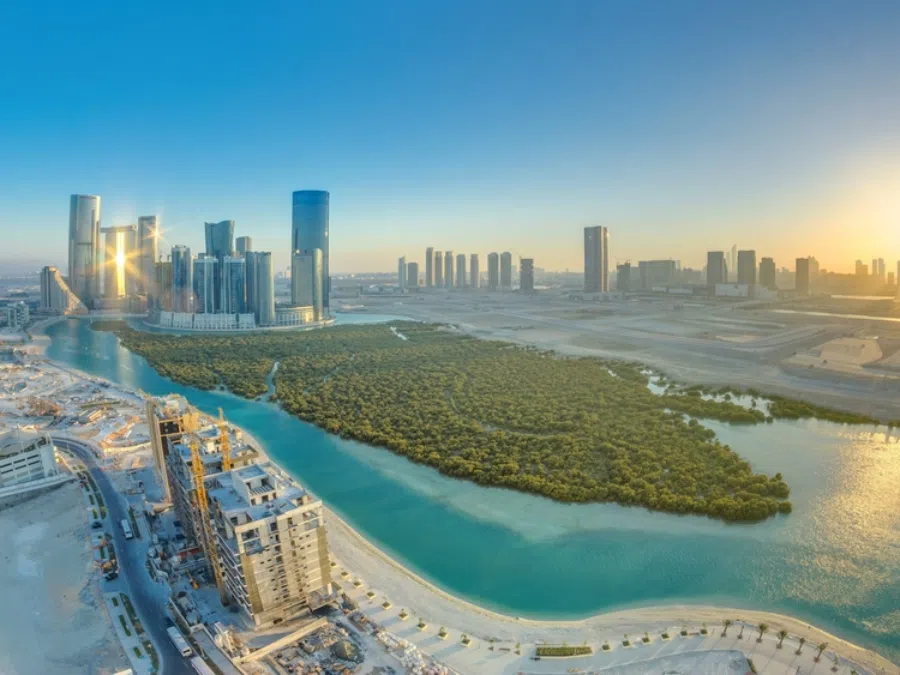
Abu Dhabi’s property market is on the move — and the next three years will be transformative. Developers are planning to deliver nearly 38,700 new homes by 2028, a massive expansion that will redefine the city’s real estate dynamics, reshape investment zones, and influence pricing trends across the emirate.
This surge in supply is not just a number — it’s a blueprint for how the capital will evolve as it balances population growth, investor demand, and lifestyle diversification.
The Current Context: Where Supply Meets Demand
Over the past two years, Abu Dhabi’s residential market has recorded record transaction volumes and double-digit price growth in many communities. Villas, waterfront apartments, and branded residences have led the charge, with investor demand outpacing available inventory.
Yet, as the city expands, new masterplans are being activated across islands and urban extensions. Developers are racing to meet growing demand from end-users, expatriates, and global investors — all while maintaining the emirate’s hallmark of quality, spacious design, and sustainability.
The next development cycle, culminating in 2028, will see a steady rollout of new homes across Yas Island, Saadiyat, Reem, Al Raha, and upcoming districts such as Zayed City and Al Fahid Island. Together, these projects mark the most ambitious residential expansion Abu Dhabi has undertaken in years.
How New Supply Will Reshape the Market
1. Price Growth Will Moderate, but Stay Positive
The flood of new inventory is expected to cool price acceleration, especially in areas where multiple projects launch simultaneously. However, this moderation will be selective — not universal.
Prime waterfront zones and branded communities are still expected to appreciate faster, supported by limited plots and global demand. By contrast, mid-tier areas with large-scale launches could experience price stabilization as buyers gain more negotiating power.
In essence, Abu Dhabi’s market is evolving from scarcity-driven growth to sustainable expansion, where price appreciation aligns more closely with quality and location.
2. Absorption Rates Will Define Success
With almost 40,000 new homes entering the market, absorption — the pace at which units sell or rent — will become the key performance metric.
Projects aligned with strong locations, infrastructure, and lifestyle ecosystems will see healthy uptake. Others may face slower sales or extended vacancy periods. Developers are likely to respond by offering more flexible payment plans, post-handover options, and incentives to sustain absorption levels and attract investors.
This shift signals a more competitive, buyer-friendly market where quality and delivery timelines will determine success.
3. Emergence of New Opportunity Zones
The new supply pipeline will also unlock the next wave of investment zones — emerging neighborhoods positioned along future infrastructure corridors and lifestyle hubs.
- Al Fahid Island is poised to become Abu Dhabi’s next waterfront destination, connecting Yas and Saadiyat with high-end mixed-use communities.
- Zayed City (Capital District) will evolve as a new downtown core, strategically linking the airport, business districts, and residential clusters.
- Peripheral masterplans and transit-linked developments will attract mid-segment buyers seeking affordability without sacrificing access to the city’s lifestyle zones.
These opportunity zones represent the next growth frontier — where early investors can secure prime plots or units at entry-level prices before infrastructure and amenities mature.
4. Developers Will Compete Harder — and Build Smarter
As competition intensifies, developers will push innovation to stand out. Expect a surge in:
- Branded residences and lifestyle partnerships
- Smarter designs and sustainability features
- Serviced apartment models and managed communities
- Post-handover and rent-to-own payment structures
This evolution will benefit end-users and investors alike. Buyers will enjoy better design quality and value-added services, while developers strengthen their brand credibility in an increasingly transparent market.
Strategic Insights for Investors
- Focus on Location Over Quantity
Choose areas where infrastructure, schools, and lifestyle facilities are developing in parallel with housing. Quality of the community will drive long-term value more than the number of launches. - Time Your Entry Smartly
The best opportunities often arise just before or after project handovers, when developers adjust pricing and inventory. Investors with timing discipline can secure higher returns. - Diversify Between Core and Growth Zones
Pair stable assets in established communities like Saadiyat and Yas with emerging zones like Al Fahid or Zayed City for balanced portfolio performance. - Leverage Long-Term Payment Plans
Developer-backed financing and post-handover plans allow investors to scale portfolios strategically without immediate capital strain. - Prioritize Developer Reputation
In a supply-rich market, delivery credibility matters. Established developers with strong track records will continue to outperform on resale and rental yield.
Outlook: Expansion with Balance
Abu Dhabi’s plan to deliver nearly 38,700 new homes by 2028 marks a confident stride toward becoming a world-class urban hub. This new supply wave will inject balance, broaden affordability, and extend growth to fresh corridors of the city.
While short-term competition may create pockets of pricing pressure, the long-term trajectory remains positive. Infrastructure spending, tourism growth, population expansion, and brand-led projects will keep the market on an upward path — though one defined by quality, not just quantity.
For investors and homeowners, the message is clear: Abu Dhabi’s next chapter is about opportunity through selectivity. Those who understand where and when to invest will ride the next wave of sustainable real estate growth.