
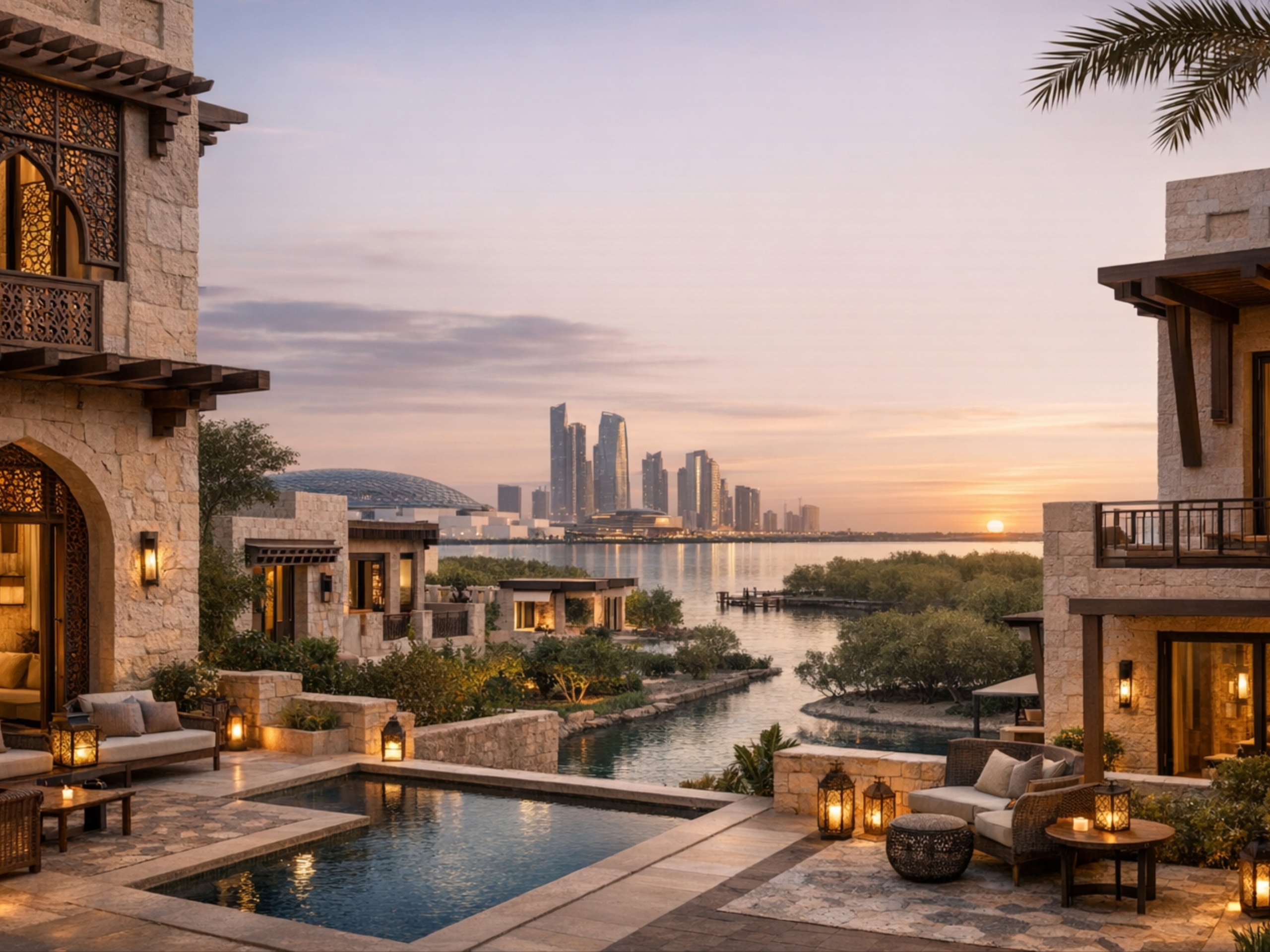
The luxury real estate landscape in Abu Dhabi is witnessing a profound shift in 2026, moving away from mass-market opulence toward a more nuanced and culturally resonant philosophy known as “Artisanal Urbanism.” This movement is characterized by boutique developments that eschew the generic glass-and-steel aesthetic in favor of a design language that blends traditional Emirati craftsmanship with the highest standards of modern luxury. As the city continues to mature as a global cultural capital, discerning investors are increasingly looking for an apartment for sale in yas that offers more than just square footage, but a residence that tells a story of heritage, materiality, and bespoke artistry in a rapidly evolving urban landscape. This shift is particularly evident in the growing demand for homes that serve as a private gallery for personal expression and cultural appreciation.
This trend is driven by a new generation of global citizens and local residents who value authenticity and exclusivity over sheer scale. In 2026, luxury is defined by the “hand-touched” quality of a home—the texture of hand-carved stone, the warmth of reclaimed wood, and the intricate patterns of modern mashrabiya screens that provide both privacy and a connection to the past. These boutique projects are typically smaller in unit count but significantly higher in detail, offering a level of personalization that larger developments simply cannot replicate. For those seeking a truly unique living experience, the search for a villa for sale in saadiyat often leads to these artisanal enclaves, where every architectural element is a tribute to the region’s rich history and its ambitious future.
The Pillars of Artisanal Urbanism in Abu Dhabi
At the heart of Artisanal Urbanism is a commitment to “Sovereign Craftsmanship,” where local materials and traditional techniques are reimagined for the 21st century. This includes the use of desert-toned limestones, intricate geometric latticework, and courtyard-centric layouts that promote natural ventilation and a sense of community. Unlike the standardized luxury of the past, these boutique developments are deeply rooted in their specific location, drawing inspiration from the surrounding mangroves, the desert dunes, and the Arabian Gulf. This focus on “place-making” ensures that each project is a unique addition to the city’s fabric, rather than a repetitive template.
Furthermore, these developments prioritize “Human-Centric Scale,” creating intimate environments that foster a sense of belonging and tranquility. By limiting the number of residences, developers can focus on creating expansive communal spaces that function as private galleries or artisanal workshops. This approach is particularly appealing to those looking for an apartment for sale in saadiyat, where the proximity to world-class cultural institutions like the Louvre Abu Dhabi and the Guggenheim Abu Dhabi demands a residential product of equal artistic merit. The result is a collection of homes that feel less like real estate assets and more like curated masterpieces.
| Feature | Mass-Market Luxury (2020-2024) | Artisanal Urbanism (2026) |
| Architectural Style | Generic International Modernism | Contemporary Emirati Heritage |
| Materiality | Standardized glass, steel, and marble | Hand-carved stone, reclaimed wood, local textures |
| Project Scale | High-density, multi-tower complexes | Low-density, boutique residential enclaves |
| Privacy Strategy | Standardized lobbies and shared corridors | Private courtyards, bespoke screens, and buffer zones |
| Cultural Integration | Decorative or superficial | Structural and philosophical |
Investment Outlook: The Scarcity of the Bespoke
From an investment perspective, the rise of Artisanal Urbanism in 2026 represents a significant opportunity for capital appreciation. The inherent scarcity of boutique developments—combined with the high cost of specialized craftsmanship—creates a natural barrier to entry that protects long-term value. These properties are increasingly viewed as “collectible” real estate, attracting a niche but highly affluent demographic that is less sensitive to market fluctuations and more focused on the unique attributes of the asset. As the supply of mass-market luxury continues to grow, the premium for bespoke, hand-crafted residences is expected to widen, making them a resilient choice for sophisticated portfolios.
The demand for these artisanal homes is also supported by the city’s broader economic stability and its status as a safe haven for global wealth. In 2026, the Abu Dhabi market is characterized by steady, disciplined growth, with a particular emphasis on high-quality, sustainable projects that align with the UAE’s Vision 2030. For investors, this means that a well-chosen property in a boutique development is not just a lifestyle choice, but a strategic move into a segment of the market that is defined by its exclusivity and its enduring appeal. The “artisanal premium” is becoming a recognized metric in the industry, reflecting the added value that heritage-led design brings to a residential asset, providing a clear and measurable advantage for those who choose to invest in these unique and culturally significant properties.
Conclusion
As Abu Dhabi continues to redefine the global standard for elite living, Artisanal Urbanism stands out as the most compelling trend of 2026. By bridging the gap between traditional craftsmanship and modern luxury, these boutique developments offer a level of depth and authenticity that is rare in the global market. Whether you are seeking the vibrant, curated energy of Yas Island or the serene, cultural prestige of Saadiyat, the opportunities to own a piece of this new architectural legacy are unparalleled. To explore the most exclusive boutique listings and discover the future of artisanal living, visit NAS Luxury Real Estate.
Artisanal Urbanism refers to a design philosophy that integrates traditional Emirati craftsmanship and materials with modern luxury standards, typically within low-density boutique developments. You can learn more about these unique projects through NAS Luxury Real Estate.
Discerning buyers are increasingly seeking authenticity, privacy, and a sense of heritage that larger, standardized projects often lack. Boutique developments offer a more personalized and culturally resonant living experience.
Yes, the scarcity of bespoke, low-density developments often leads to higher capital appreciation and stronger resale value, as these properties are viewed as “collectible” assets by the global elite. For expert investment advice, contact NAS Luxury Real Estate.
Saadiyat Island and Yas Island are currently the primary hubs for this trend, as their cultural and entertainment infrastructure provides the perfect backdrop for high-quality, heritage-led design.
The best approach is to partner with a specialized agency that has exclusive access to the city’s most refined projects. A curated selection of these artisanal homes is available on the NAS Luxury Real Estate website.
Join The Discussion